Street Address
City, State, Zip
Phone Number
Illustration & Design
Your Custom Text Here
Becoming a Peer Supporter: A Transformational 12 Weeks of Training
Becoming a Peer Supporter: A Transformational 12 Weeks of Training
Over the last 12 weeks, I’ve been part of a peer support training programme with West Kent Mind.
When I signed up, I’m going to be honest I didn’t completely understand what peer support was. I got the gist but I did feel like I was going in a bit blind and I didn’t fully know what I would do with it. I felt like something that would support the work I was already doing, both with West Kent Mind through their Creative Minds program and my own work and belief in creativity as a force for good supporting people with their mental health. When the opportunity for free training was presented to me, it just felt important to go for it and I am SO glad I listened to that feeling!
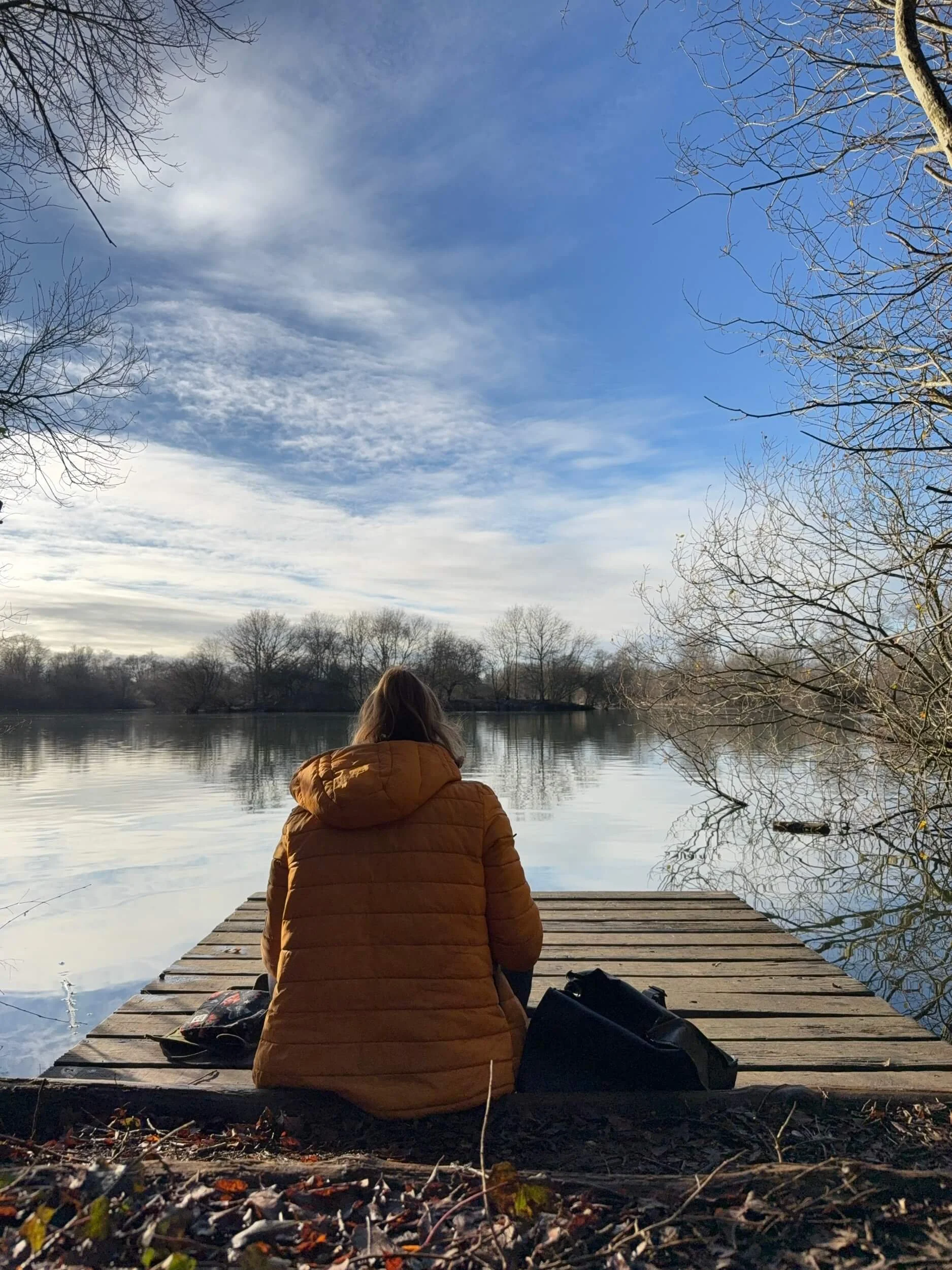
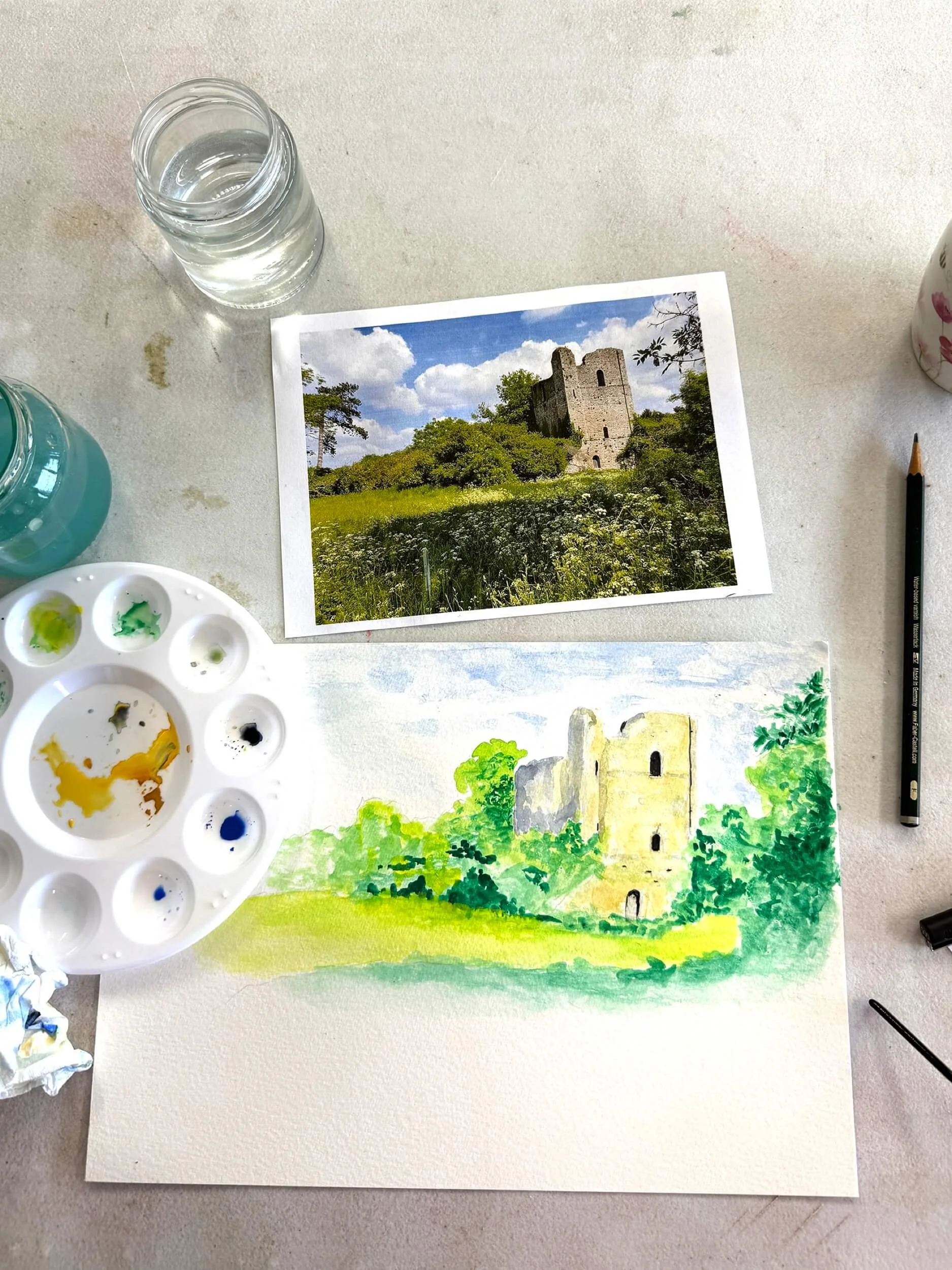
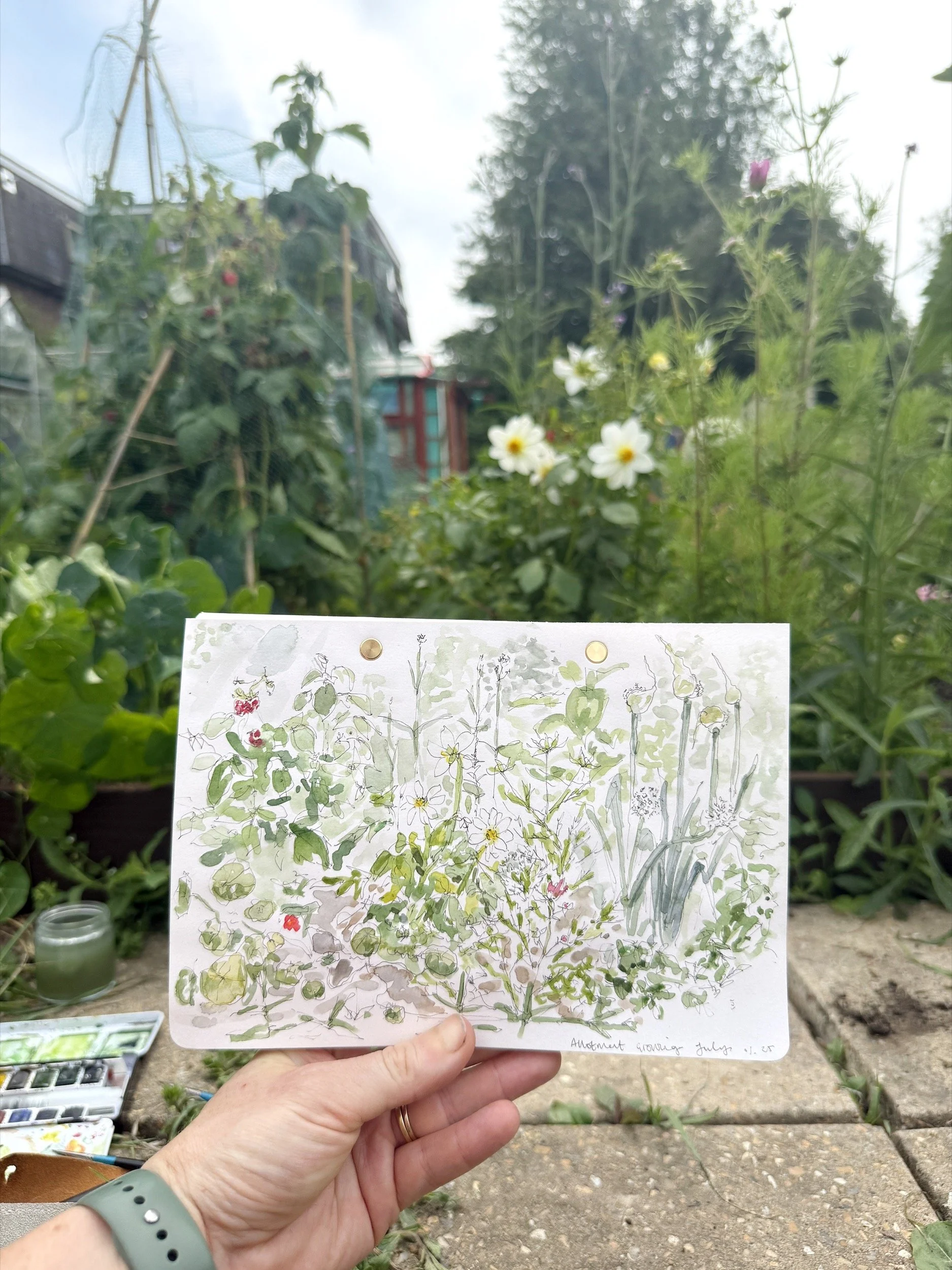
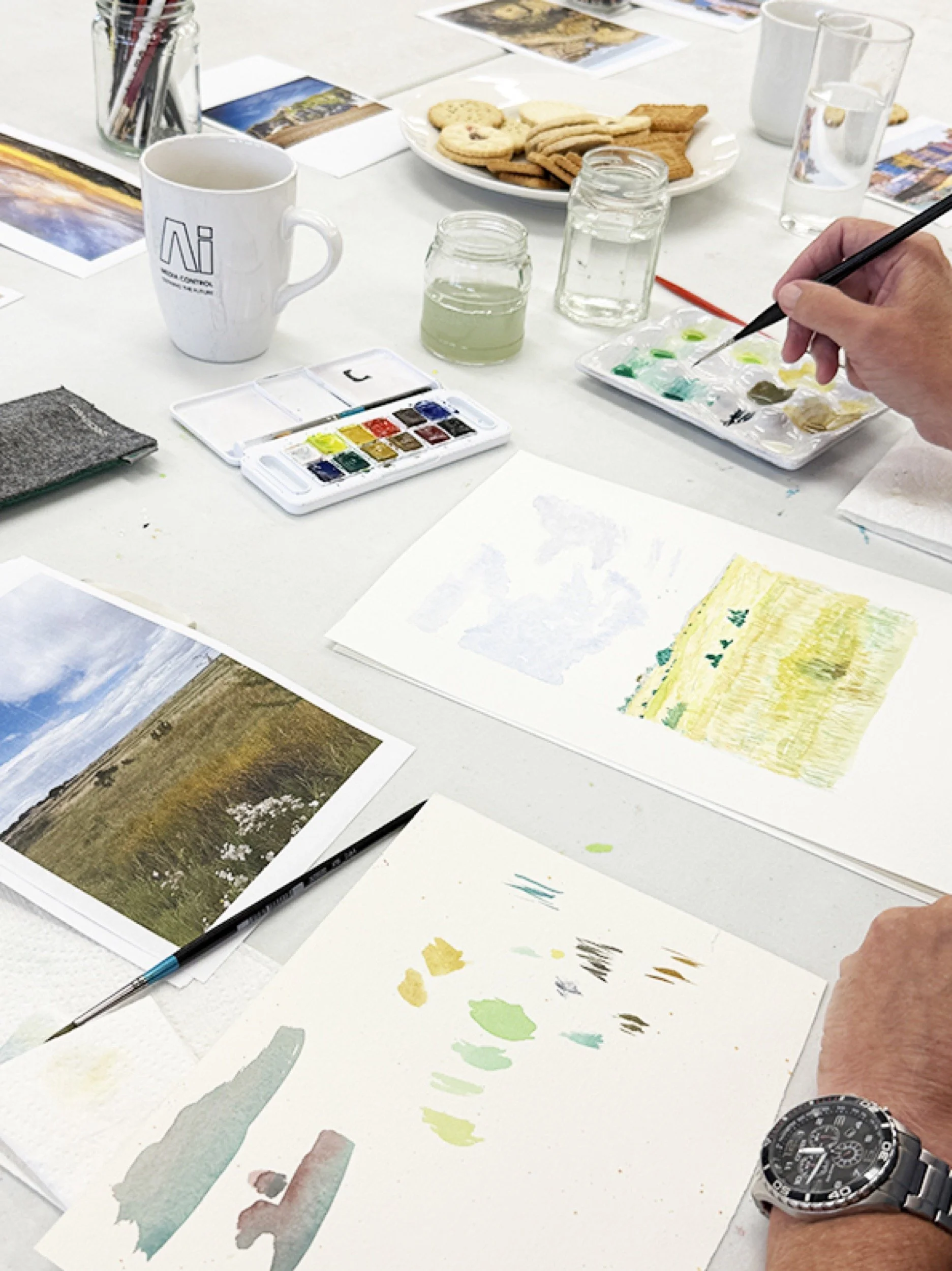
(Also to note, I didn’t take any photos during the course for obvious reasons, so I’m including some workshop photos just to break this writing up a little!)
What Is Peer Support?
If you’re not familiar with peer support or peer mentorship, it uses lived experience of mental health challenges to support others navigating their own. It sits alongside counselling and clinical services (especially when those services are stretched or inaccessible) to further to support the system and society.
Scotland is further ahead in embedding peer support and the framework we followed in our training was by the Scottish Recovery Network who have some great information if you want to find out more. The NHS has documentation and guidance on peer support, but it isn’t widely utilised yet and I really hope it becomes more established here in England too.
It’s not saying ‘I support people because I’m “fixed.”’ It’s saying ‘I support people because I understand. Because I have lived experience of struggling, learning, adjusting, continuing and because I hold that hope for you too.’
What Did Peer Support Training Look Like?
The course was spread over twelve weeks, with weekly sessions lasting 3 hours each, then some additional reading / homework between sessions. That was something I was nervous about, being able to dedicate time to that around juggling work and running my illustration business. However when you really believe in something, see the value in the time invest and are really enjoying it, you make time.
We had a group of five of us, with two brilliant West Kent Mind staff teaching the sessions and one wonderful volunteer who had already done the her peer support training. It worked really well as a variety of voices and experience and felt like a really well rounded delivery.
We covered topics such as:
Lived experience
Building relationships & boundaries
Communication Skills
Supporting Recovery
Safety & Confidentiality
Self-Care & Resilience
Professionalism & Procedures
The values framework for peer working using hope, authenticity, experience, mutuality, responsibility and empowerment.
I looked forward to the sessions each week, despite often covering quite heavy or sensitive topics, it was such a wonderfully safe and open space. Obviously enrolling on the course, there is a shared interest and some common ground already, but it was really striking to me how quickly you connect with people when you are being open and vulnerable. You connect on a much deeper level much more quickly and it occurred to me during the course how we spend a lot of our lives with more surface level relationships and how much richer these deeper relationships can be.
Enrolling in the course there was no obligation to do anything with the training and it was made clear that at the very least it would provide a wonderful opportunity for self development, which having now completed it I can attest to and would recommend it to anyone anywhere! There was also the opportunity to talk through your thoughts and ideas of how you might like to use peer support going forward, be that as a volunteer or for any potential paid positions with West Kent Mind, or separately in your own life or work.
Sharing Recovery Stories
In one session towards the end, we had the opportunity to share our own recovery stories. This is our own mental health journeys, told not from a place of being “fixed”, but from being in recovery. We talked in depth about how what recovery means, how it is not linear, but by being on the journey allows you to reflect on that and to use it to help others if you choose.
These are of course completely private and I won’t share any details, (although you can read a little tiny snippet of my own story here) but what really stood out to me was that every single person’s recovery came from within themselves. Everyone had realised something, listened to themselves, understood something, heard something in the right moment as a catalyst to change. Not necessarily a single pivotal moment, sometimes its a process of realisation over time, but the power and strength that shone through from people navigating their own situations and getting to that room we were in was hugely inspiring.
The stories were wildly different and a perfect example of the variety of human experience people have, but how there are often crossovers, similarities and the deeper understanding that comes with that. It was an honour to be trusted in that space, to really listen and hear people, to be listened to and heard myself. I am incredibly grateful to have experienced it and thank you to everyone involved (you know who you are)
An Unexpected Parallel With My Workshops
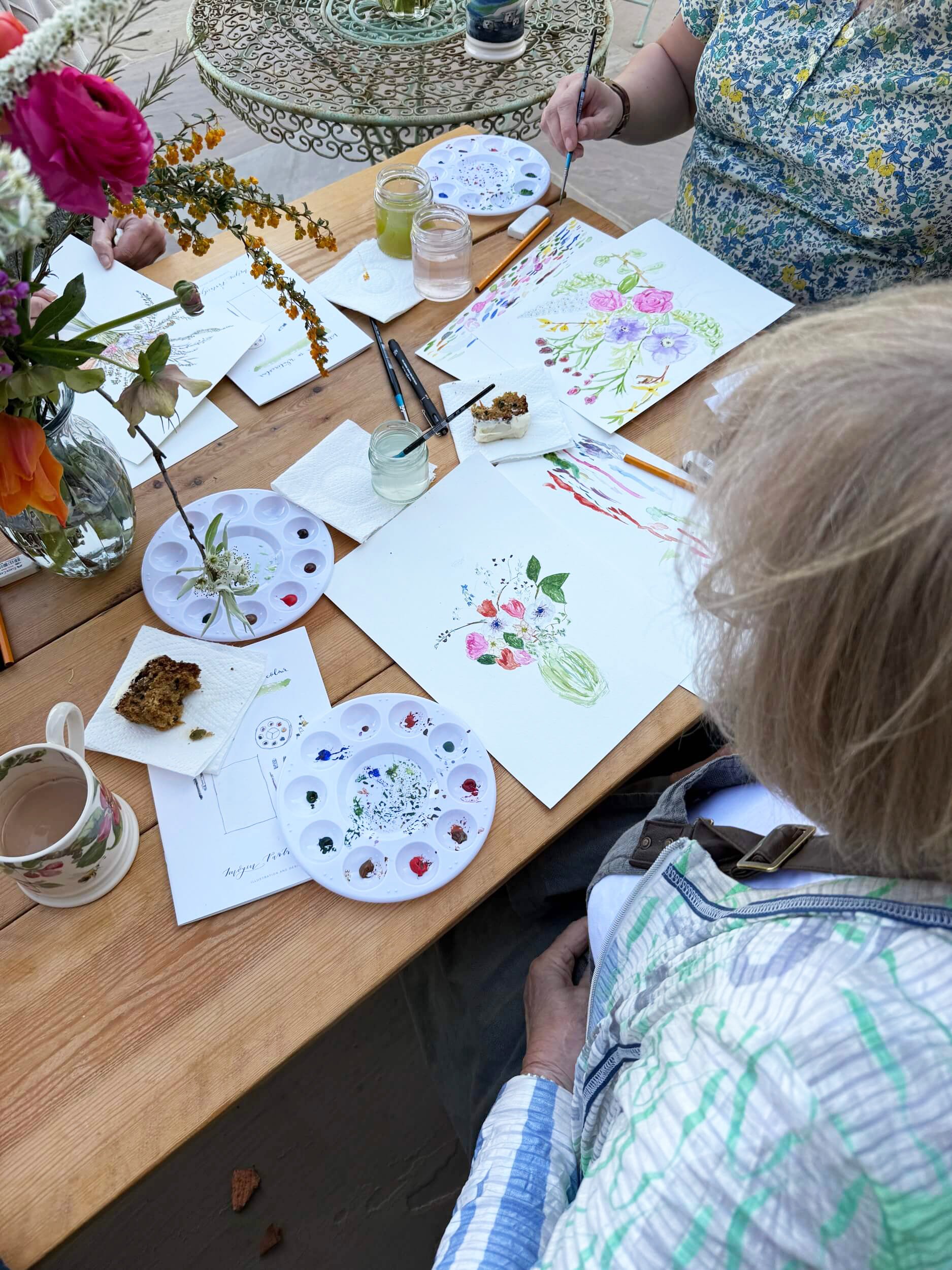
During one session, someone reflected something back to me that I hadn’t realised before. They said that the journey of my own mental health, of finding myself later in life (ok, I’ve just turned 37 so it’s not exactly that late, but you know that I mean), mirrors how I run my watercolour workshops and how I try to help people find their own way with painting.
I have always resisted running “paint along” sessions for some reason (despite thinking I should be doing that a lot of the time), but it has never felt right for me to tell someone exactly how to paint. People express themselves so differently and while I absolutely see the value in this technique, it just isn’t for me. I have always preferred to guide people to find their own way. I will offer tips and advice tailored to someone’s skill / experience and most importantly hold their hand while they build confidence to find their own way. We all have such a unique relationship with creativity and it is such a vulnerable act to create and to put that out in the world, even if its just for yourself, and I want to honour and respect that, nurture it and guide it. Not make it feel like it’s wrong or not capable, but help guide and build trust that it can bloom and the feeling you get from allowing it to do so.
I imagine you’re getting the parallel. You can give advice in life, you can share helpful tools, you can show people how you did it or explain what worked for you, but ultimately it needs to come from within. You have to be ready to hear it, to decide for yourself and to allow yourself the space and time to navigate that journey.
I loved that. I’m not sure what’s in it, but it felt really fitting for me to hear someone notice that and I’m very grateful for the reflection.
How It Enhances My Work as an Illustrator and Creative Facilitator
Through the creative workshops I’ve already run with West Kent Mind and their Creative Minds program, I’ve naturally stepped into elements of peer support. I did this without really realising, it came naturally to me in that role, however this training has deepened that and given me so many more tools to enhance what I can offer.
I feel better equipped to listen without trying to ‘fix’, hold space without rushing people (as Mandy Leto said on a very brilliant podcast Women’s Business that I listened to, ‘There is so much power in the pause’), hold space without rushing, signposting people safely, supporting people appropriately in group or individual settings and understanding boundaries, particularly how or when to reinforce them.
It has significantly strengthened my ability as a facilitator, not by changing anything about what I do creatively, but by strengthening the support I offer around that and how I show up for others (and myself).
Mental Health First Aider Training
Alongside peer mentorship, I was offered the opportunity to complete my Mental Health First Aid training, again with West Kent Mind, which I did. It is a more practical approach, although there is a lot of crossover with what we learned in peer support, but it feels like I am so much better equipped having done that too.
It’s a two day course I did in person, but it can be online, and I can’t recommend it enough. If everyone in the country had even a surface level of training like this, it would be a much more understanding and empathetic society, which feels much needed at the moment.
The Personal Impact
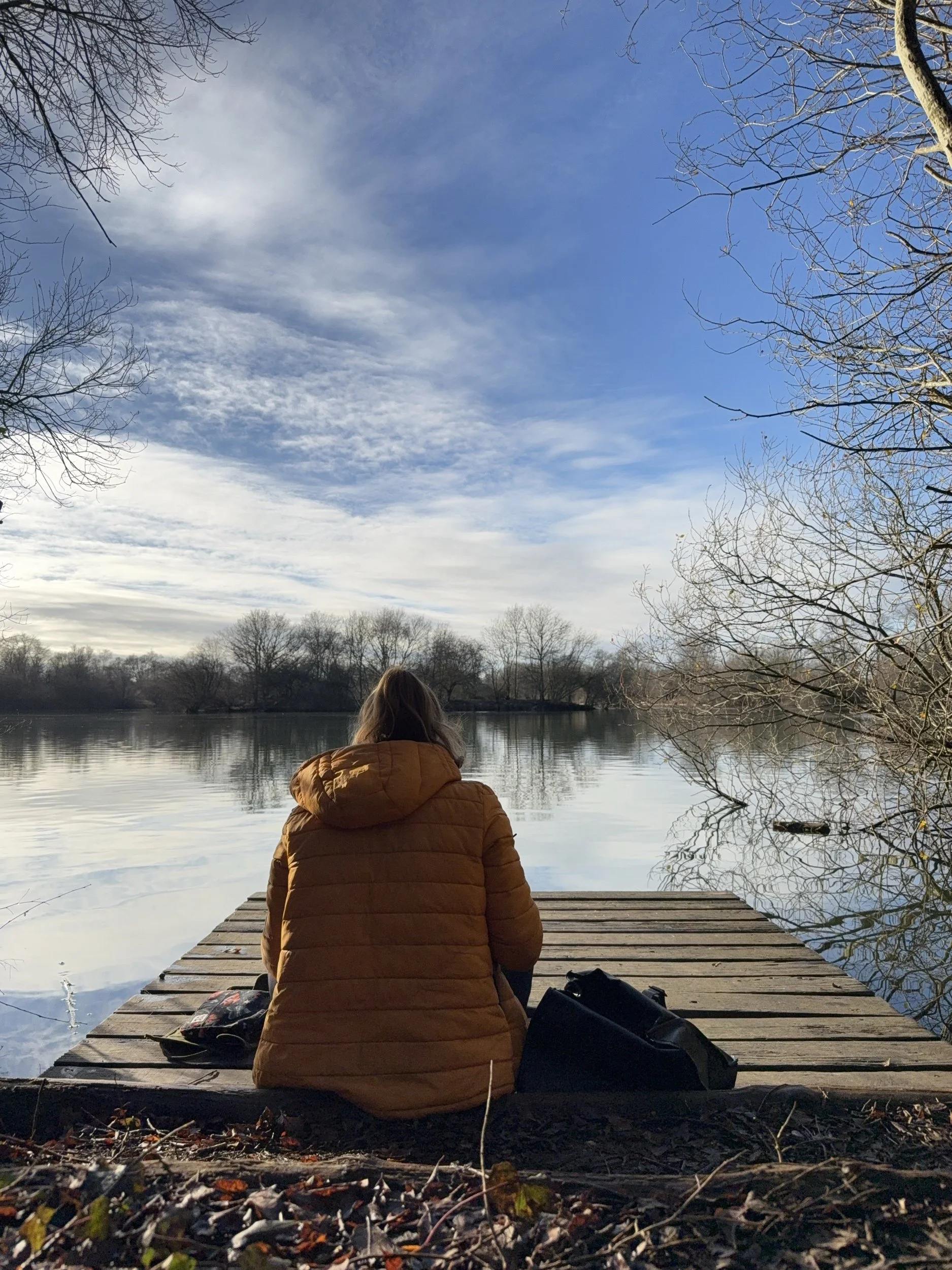
This course has been transformative for me. I think it’s hard to explain as it feels like it’s just the start, so perhaps I’ll come back and update you at some point on how those learnings have rippled and grown over time. However already it has made me a better parent, a better partner, a better friend. It has changed the way I listen, the way I think, the way I communicate and the way I understand other people’s experiences.
It has given me confidence, not because I suddenly know everything, but because I understand my own lived experience has value. It has given me confidence to not know everything, but to know when to ask and where to look. It has given me personal confidence and a much deeper level of acceptance. It has given me a group of supportive peers that have become friends and I am looking forward to supporting each other going forward.
I don’t know exactly what form the next steps will take, but I feel really excited and energised by the experience and hugely inspired to share that with others and do more with it myself.
Should You Do It?
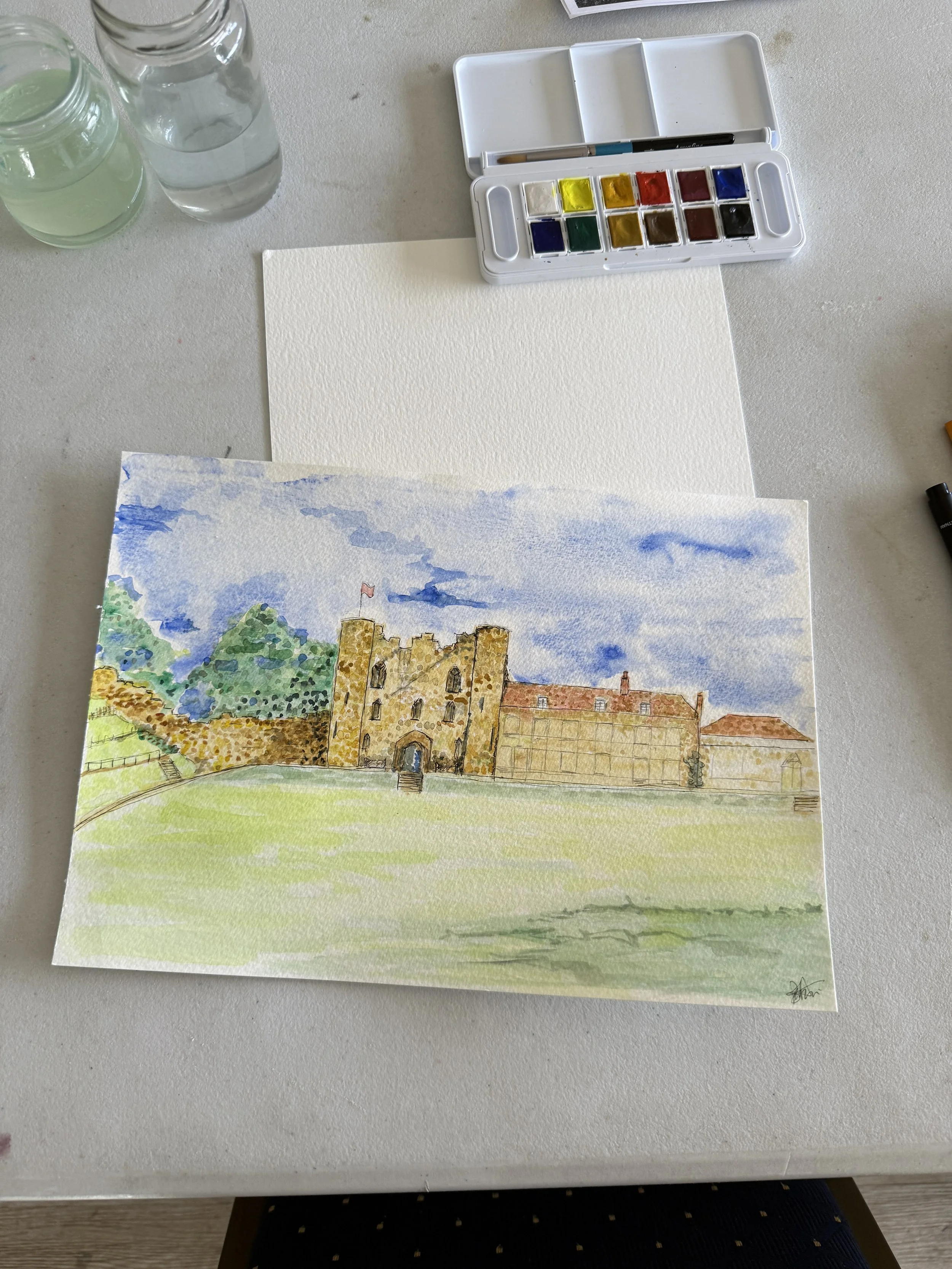
Yes. That’s the short answer, an easy yes.
As I said, when I applied, I didn’t know exactly what I was getting into or where I will use it in the future. However as there is no pressure to “do” anything with it, even if you only use it for your own development, it is so so worth it.
It changes how you see relationships, it deepens your empathy, strengthens your communication, teaches you to really listen. It is a stepping stone to making you the best version of yourself, which even if you do it for yourself, will have a positive impact on those around you.
I genuinely believe everyone would benefit from (and should have) some form of peer support or mental health first aider training. Everyone.
What Next?
Well that’s a question I don’t have all the answers to. I will continue to follow my intuition and seek out opportunities that allow me to support others through my work. That may be through West Kent Mind and it may be through my own workshops and channels. I see so much power in using the creative arts as a tool for supporting your mental health and wellbeing, and the impact coming together in community has on this too. I would love to work out a sustainable way to build a group around this, but the logistics of venue / access / pricing / time constraints is what’s been holding me back, but watch this space as I am determined to make this work.
Whatever happens I really believe that this has been a crucial step in my journey and I’m excited to be able to share that and better support people as a result.
Thank you
A HUGE hank you to West Kent Mind for the opportunity and for championing peer support. The more I learn about it the more important I believe it to be and people who really get it and champion it are vital.
I really hope one day this becomes woven into the fabric of society, creating a web of understanding and empathy that so many people need.
I’m leave you with this quote from Pat Deegan, because I love this description of ‘recover’. Pat Deegan is someone to look up who has her own incredibly powerful story and is a thought-leader in the field of mental health recovery.
“Recovery means I stay in the driver’s seat of my life. I don’t let my illness run me. Over the years I have worked hard to become an expert in my own self-care.”
— Pat Deegan, 1993
Featured
Featured